


What is the control system of a grinding mill?
In the world of industrial manufacturing, grinding mills play a fundamental role in countless processes, from producing fine powders in the food and chemical industries to processing raw materials in the mining and construction sectors. As a leading grinding mill supplier, I've witnessed firsthand the transformative power of these machines and the critical role that their control systems play in ensuring optimal performance.
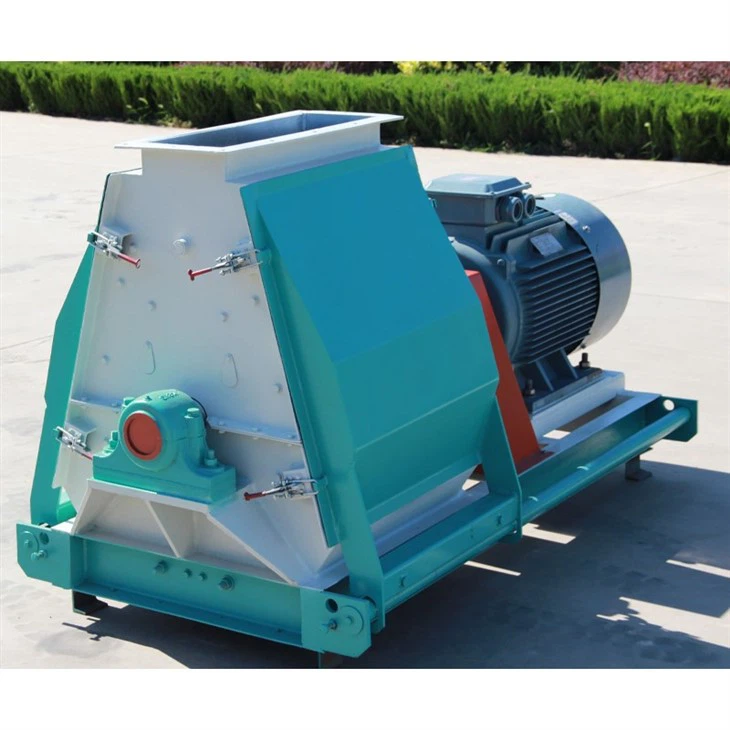
At its core, the control system of a grinding mill is essentially the brain of the operation. It's a complex network of sensors, actuators, and controllers that work in harmony to monitor and regulate the various functions of the mill, ensuring that it operates efficiently, safely, and with consistent quality output. This system is particularly important when dealing with different types of grinding mills such as the Corn Flour Grinding Mill, Corn Grinding Mill, and Maize Flour Grinding Mill, each with their own specific requirements.
Key Components of a Grinding Mill Control System
The control system of a grinding mill typically consists of several key components, each with its own distinct function. These components work together to create a seamless and efficient operation.
-
Sensors: These are the eyes and ears of the control system. Sensors are strategically placed throughout the mill to collect data on various parameters such as temperature, pressure, flow rate, and power consumption. This data is then transmitted to the central controller, where it is analyzed and used to make real - time decisions. For example, temperature sensors can detect if the mill is overheating, which could potentially damage the equipment or affect the quality of the output.
-
Actuators: Once the central controller has analyzed the data from the sensors and determined the appropriate action, it sends signals to the actuators. Actuators are devices that can physically change the state of the mill, such as adjusting the speed of the motor, controlling the opening and closing of valves, or changing the position of mechanical components. For instance, an actuator can control the feed rate of the material being ground, ensuring that the mill operates at an optimal capacity.

-
Central Controller: This is the heart of the control system. The central controller is responsible for receiving data from the sensors, processing it, and sending commands to the actuators. It can be programmed to follow specific algorithms and set - points, ensuring that the mill operates within the desired parameters. Many modern central controllers are based on advanced microprocessors and can perform complex calculations and logic operations in real - time.
-
Human - Machine Interface (HMI): This is the interface through which operators can interact with the control system. The HMI typically consists of a display screen and a set of input devices, such as touchscreens or keyboards. Operators can use the HMI to monitor the status of the mill, adjust settings, and receive alerts in case of any abnormal conditions. For example, an operator can use the HMI to set the desired fineness of the ground material and monitor the actual output in real - time.
Functions of the Control System
The control system of a grinding mill performs several important functions that are crucial for its smooth operation and high - quality output.
-
Process Control: The primary function of the control system is to maintain the process parameters of the grinding mill within the desired range. This includes controlling the speed of the grinding media, the feed rate of the material, the size of the particles being produced, and the temperature and pressure inside the mill. By precisely controlling these parameters, the control system ensures that the mill produces a consistent and high - quality product.
-
Safety Control: Safety is of utmost importance in any industrial operation, and the control system of a grinding mill plays a critical role in ensuring the safety of the equipment and the operators. It can detect abnormal conditions such as overheating, overloading, or equipment malfunctions and automatically take corrective actions. For example, if the power consumption of the mill exceeds a certain limit, the control system can shut down the mill to prevent damage.
-
Energy Management: Grinding mills are often energy - intensive machines, and the control system can play a significant role in reducing energy consumption. By optimizing the process parameters, such as the speed of the motor and the feed rate, the control system can ensure that the mill operates at its most energy - efficient point. This not only reduces the operating costs but also has a positive environmental impact.
-
Data Logging and Analysis: The control system can collect and store data on various process parameters over time. This data can be used for analysis, troubleshooting, and process improvement. For example, by analyzing the data on particle size distribution, operators can identify trends and make adjustments to the mill settings to improve the quality of the output.
Advanced Control Strategies
In recent years, there has been a significant advancement in the control strategies used in grinding mills. These advanced strategies aim to further improve the performance, efficiency, and flexibility of the mills.
-
Model - Based Control: This strategy uses mathematical models of the grinding process to predict the behavior of the mill and optimize the control parameters. The models take into account factors such as the properties of the material being ground, the characteristics of the grinding media, and the operating conditions of the mill. By using model - based control, it is possible to achieve more precise control and better performance.
-
Advanced Process Control (APC): APC techniques, such as fuzzy logic control and neural network control, are increasingly being used in grinding mills. These techniques can handle complex and non - linear processes more effectively than traditional control methods. For example, fuzzy logic control can deal with uncertainties in the process parameters and make more intelligent decisions based on a set of rules.
-
Remote Monitoring and Control: With the development of communication technology, it is now possible to remotely monitor and control grinding mills. This allows operators to access the control system from anywhere in the world and make adjustments in real - time. Remote monitoring and control also enable predictive maintenance, where potential problems can be detected before they cause significant downtime.
Importance of the Control System for Different Types of Grinding Mills
As mentioned earlier, different types of grinding mills, such as the Corn Flour Grinding Mill, Corn Grinding Mill, and Maize Flour Grinding Mill, have their own specific requirements. The control system is crucial for meeting these requirements.
-
Corn Flour Grinding Mill: In a corn flour grinding mill, the control system needs to ensure that the corn is ground to the right fineness and that the moisture content of the flour is within the desired range. The control system can adjust the grinding parameters based on the characteristics of the corn, such as its hardness and moisture content, to produce high - quality corn flour.
-
Corn Grinding Mill: A corn grinding mill is often used for producing animal feed or ethanol. The control system in this type of mill needs to control the particle size distribution of the ground corn to meet the specific requirements of the end - product. It also needs to ensure the efficiency of the grinding process to reduce production costs.
-
Maize Flour Grinding Mill: Similar to the corn flour grinding mill, a maize flour grinding mill requires precise control of the grinding process to produce high - quality maize flour. The control system can monitor and adjust the parameters such as the speed of the mill, the feed rate, and the screening process to ensure that the maize flour meets the standards of the market.
Conclusion
In conclusion, the control system of a grinding mill is a vital component that plays a crucial role in ensuring the efficient, safe, and high - quality operation of the mill. As a grinding mill supplier, we understand the importance of providing our customers with state - of - the - art control systems that are tailored to their specific needs. Whether you are looking for a Corn Flour Grinding Mill, Corn Grinding Mill, or Maize Flour Grinding Mill, we have the expertise and experience to provide you with the best solutions.
If you are interested in learning more about our grinding mills and their control systems, or if you are looking to purchase a grinding mill for your business, please feel free to contact us. We would be more than happy to discuss your requirements and provide you with a customized solution.
References
- Smith, J. (2018). Industrial Grinding Mill Technology: Principles and Applications. Elsevier.
- Johnson, A. (2019). Advanced Control Strategies for Grinding Processes. Journal of Process Control, 75, 123 - 135.
- Brown, C. (2020). The Role of Sensors in Grinding Mill Control Systems. Sensors and Actuators, 280, 45 - 56.